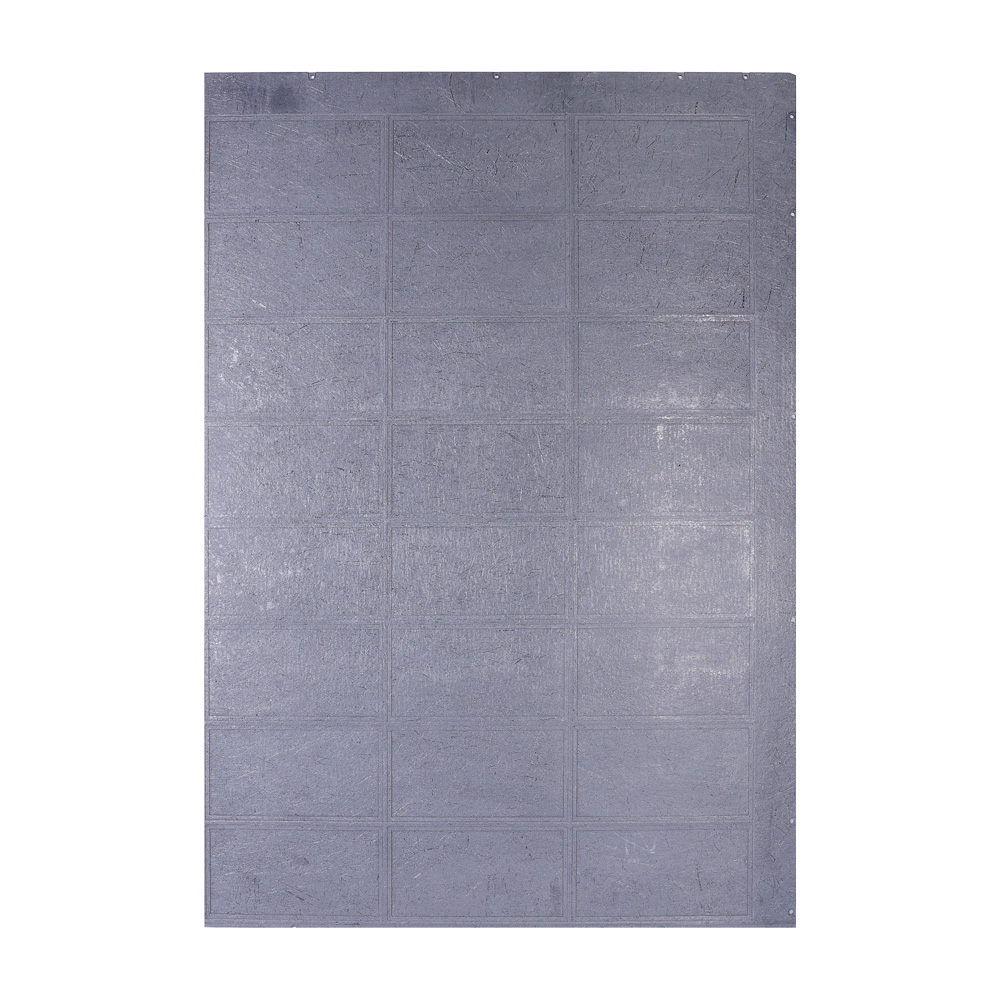
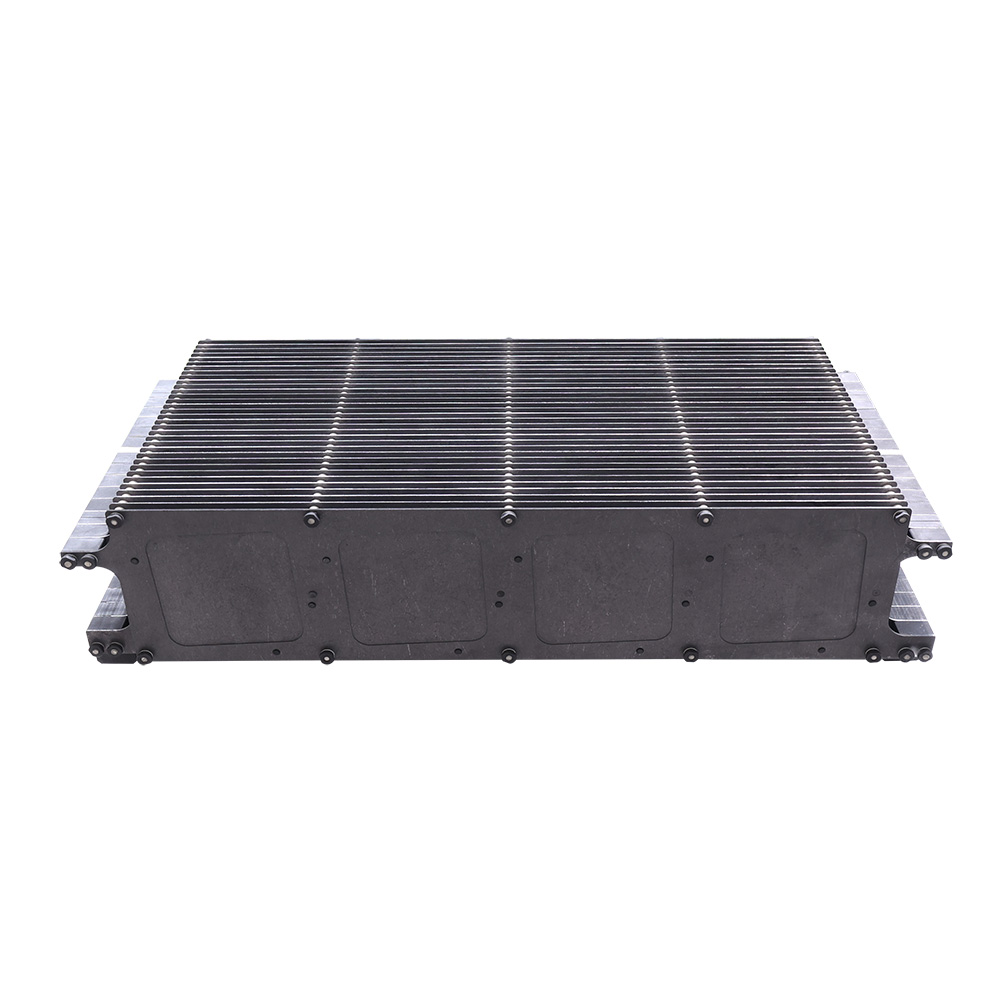
Zhejiang Dehong Carbon Fiber Composite Materials Co., Ltd. continues to push the boundaries of innovation in advanced carbon composite materials, and their product range tailored for the solar industry is a testament to this commitment. The company’s Solar Cell Terminal products are engineered with the highest standards in mind, offering significant performance benefits in a variety of solar applications, including high-efficiency solar cells and photovoltaic systems. These terminals play an essential role in ensuring secure, reliable, and long-lasting electrical connections for solar cells, critical to the efficiency and overall performance of solar energy systems. With the transition towards renewable energy, Dehong’s solar cell terminals are positioned to cater to industries that demand high-quality, durable, and efficient components for energy conversion.
The primary function of Solar Cell Terminals is to provide a stable and conductive connection between solar cells and other system components. These terminals are particularly useful in Heterojunction (HJT) solar cells, Top-Con technology, and Perovskite-based solar cells, all of which demand high precision and reliability in their electrical connections. The terminals are designed to withstand harsh environmental conditions, including exposure to UV radiation, moisture, and extreme temperatures, ensuring they can operate effectively in diverse climates. Additionally, they are essential in facilitating the smooth transfer of electrical current between the solar cell and the battery storage or grid connection, optimizing the energy conversion process and enhancing the overall performance of the solar power system.
Dehong’s Solar Cell Terminals are crafted from advanced carbon fiber composite materials, which are renowned for their exceptional strength-to-weight ratio, thermal stability, and resistance to wear and corrosion. These properties make them highly suitable for long-term, high-performance applications in solar power systems. Furthermore, the terminals are designed with precise manufacturing tolerances to ensure easy and secure attachment to various types of solar cells, such as HJT, Short Fiber Carbon Carbon Plates, and Top-Con cells. The use of high-grade carbon composites enhances the terminal's electrical conductivity, reduces resistance, and ensures minimal power loss during energy transfer. Moreover, the terminals are engineered to maintain optimal performance even in extreme environmental conditions, offering superior longevity and durability compared to conventional metal-based components.
Dehong’s Solar Cell Terminals come in a variety of specifications, tailored to meet the needs of different solar cell technologies. For HJT and Top-Con cells, the terminals are available in multiple sizes and configurations to accommodate various current ratings and voltage levels. The terminals are designed to handle high currents with minimal heat generation, contributing to the overall efficiency of the solar power system. The product’s dimensions and electrical properties are carefully optimized for seamless integration with short fiber carbon carbon plates and carbon-carbon boats, as well as perovskite-based solar cells. In terms of materials, Dehong uses advanced carbon composites that are both lightweight and robust, ensuring maximum durability without compromising on performance. The terminals also feature corrosion-resistant coatings, ensuring long-term reliability even in aggressive outdoor environments.
To ensure optimal performance and longevity, proper installation and handling of the Solar Cell Terminals are crucial. When integrating these terminals into a solar energy system, users should first ensure that the terminals are securely attached to the corresponding solar cells using appropriate tools. Proper torque must be applied to avoid damage to the terminal or the solar cell. Users should also make sure that the terminals are installed in a way that minimizes the risk of moisture ingress or corrosion, which can affect the electrical performance. The terminals should be tested after installation to ensure a stable connection and efficient energy transfer. Regular maintenance checks are recommended to inspect for wear and tear, especially in outdoor or high-humidity environments, where environmental factors may impact terminal performance.
The Solar Cell Terminals from Zhejiang Dehong Carbon Fiber Composite Materials Co., Ltd. are primarily designed for use in the solar power industry. They are perfect for applications in solar energy systems, including residential, commercial, and industrial solar installations. Additionally, they are well-suited for research and development in advanced solar technologies, particularly in the fields of Heterojunction (HJT) and Perovskite solar cells, as well as emerging technologies like Top-Con cells. Beyond solar energy, these terminals can also be used in any industry requiring highly reliable electrical connections in harsh environments, such as aerospace, automotive, and high-performance electronics.
Dehong’s Solar Cell Terminals cater to a wide range of customers, including manufacturers of solar modules, system integrators, and renewable energy solution providers. Companies engaged in the development of advanced solar technologies, such as HJT and Top-Con cells, as well as those involved in the production of next-generation solar materials, are prime candidates for these products. Additionally, research institutes and R&D departments in the renewable energy sector can benefit from the terminals’ precision and reliability for experimental setups and technology development. With an emphasis on quality and performance, these terminals are also an ideal choice for large-scale solar power projects and installations that require robust, long-lasting electrical components.