Zhejiang Dehong Carbon Fiber Composite Materials Co., Ltd. is a leading innovator in the production of advanced carbon-carbon composites, specializing in materials for high-temperature and high-performance applications. Their Polycrystal Thermal Field product range is designed to optimize the performance of multi-crystalline furnaces, which are integral to industries requiring robust and efficient thermal processing of polycrystals. Among the key products in this range are Rigid Insulation Felt, Carbon Carbon Fasteners, Carbon Carbon Heater, Graphitized Carbon Plate, 2D Carbon Carbon Plate, and Long Fiber Carbon Carbon Plate. Each of these components plays a vital role in ensuring high precision, thermal efficiency, and mechanical reliability in multi-crystalline growth processes.
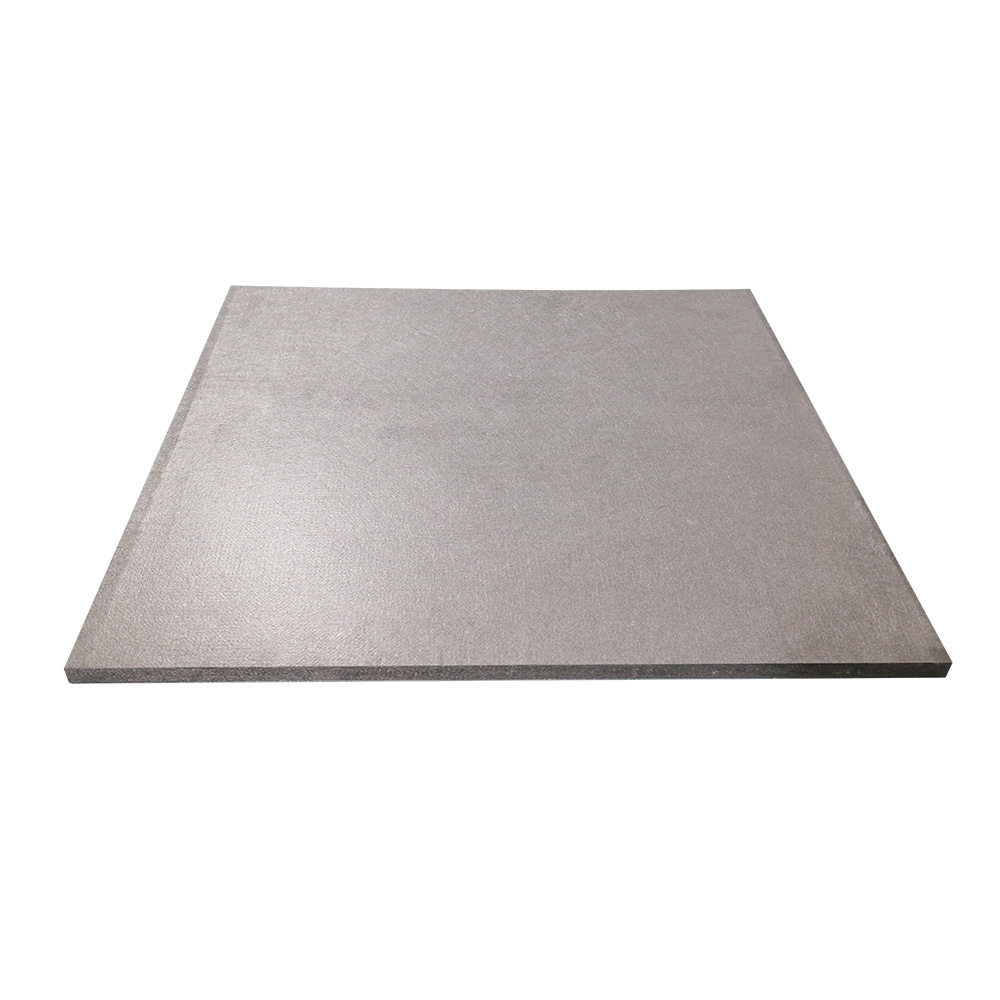
The Polycrystal Thermal Field components are specifically designed to enhance the performance of multi-crystalline furnaces, which are used in applications such as solar panel production, metal casting, and the creation of high-purity crystals for semiconductors. The Rigid Insulation Felt provides excellent thermal insulation, helping to maintain a stable furnace environment while minimizing heat loss and improving energy efficiency. This is critical for industries that rely on consistent temperature regulation to achieve high-quality polycrystals.
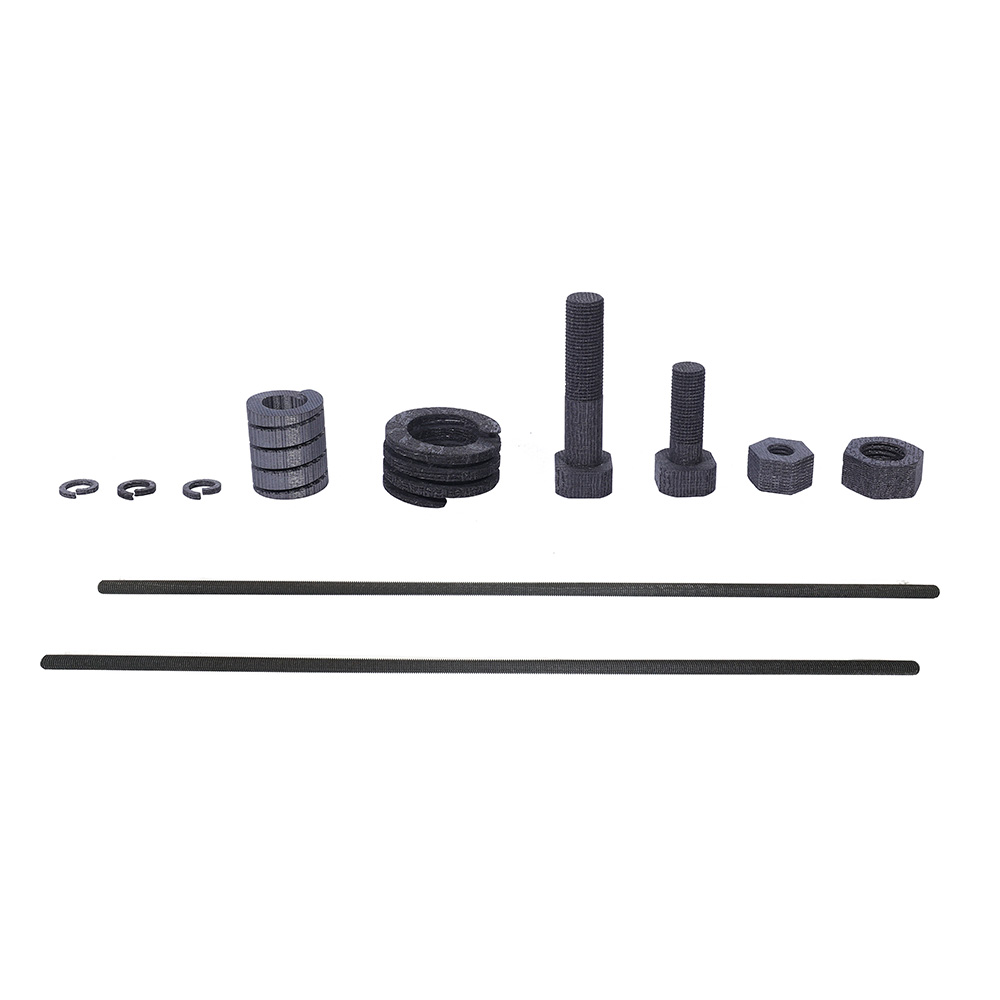
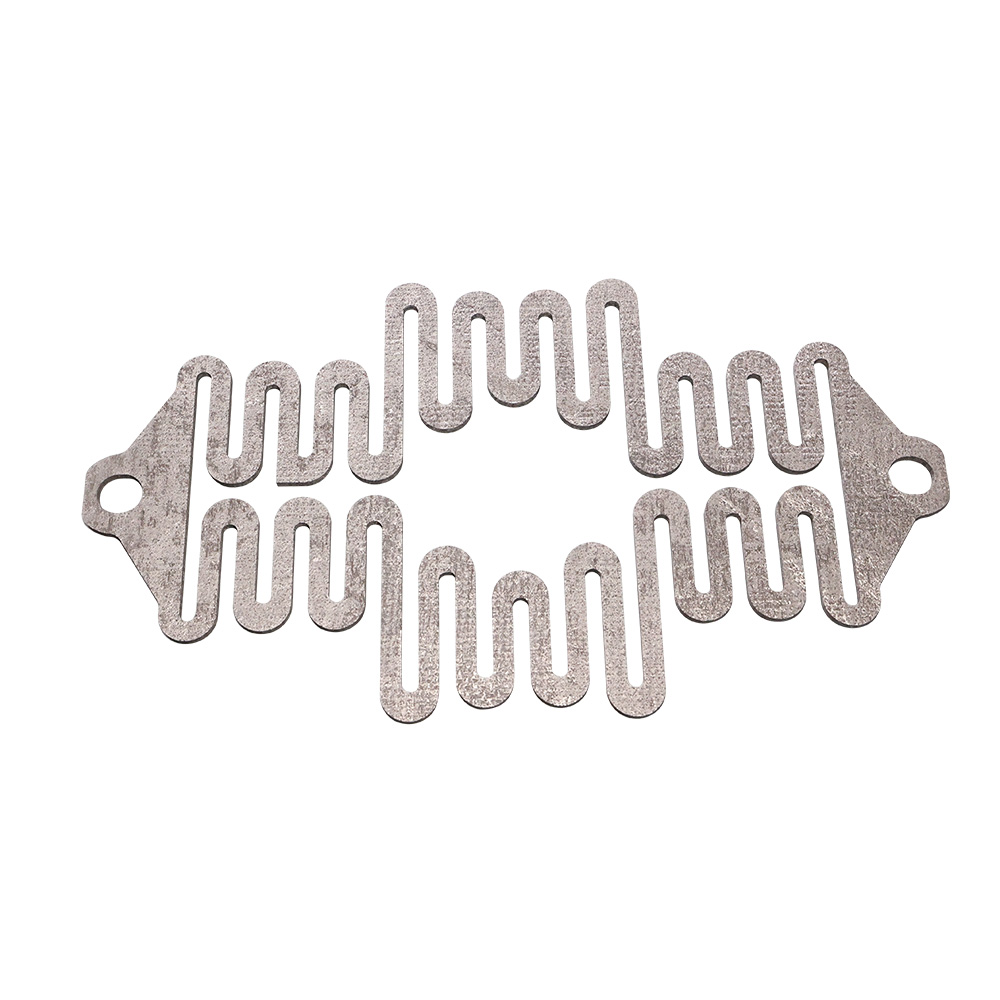
The Carbon Carbon Fasteners are designed to securely hold furnace components together under extreme thermal conditions. These fasteners offer both mechanical strength and thermal stability, ensuring the integrity of the furnace assembly during high-temperature operations. The Carbon Carbon Heater is an essential component of the polycrystal furnace, providing reliable and even heating. With excellent heat distribution properties, it ensures that the furnace reaches and maintains the required temperatures for polycrystal growth.
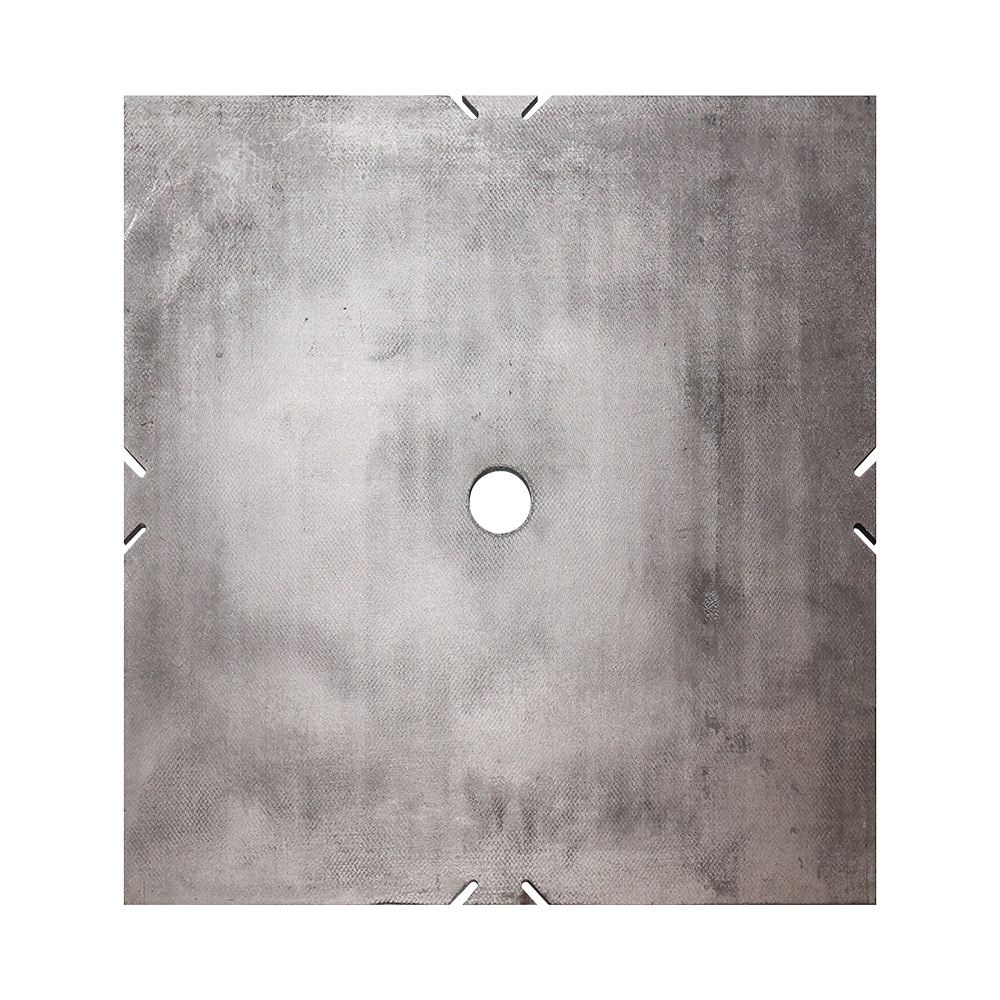
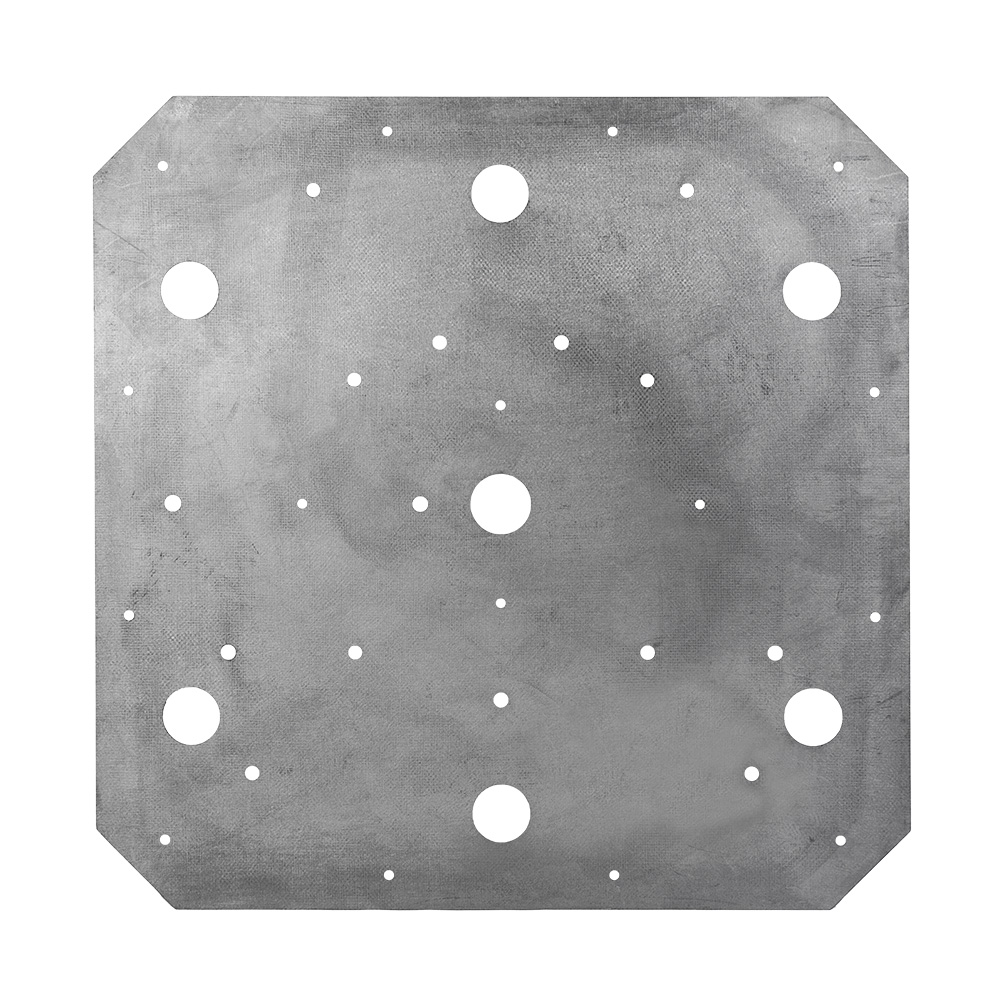
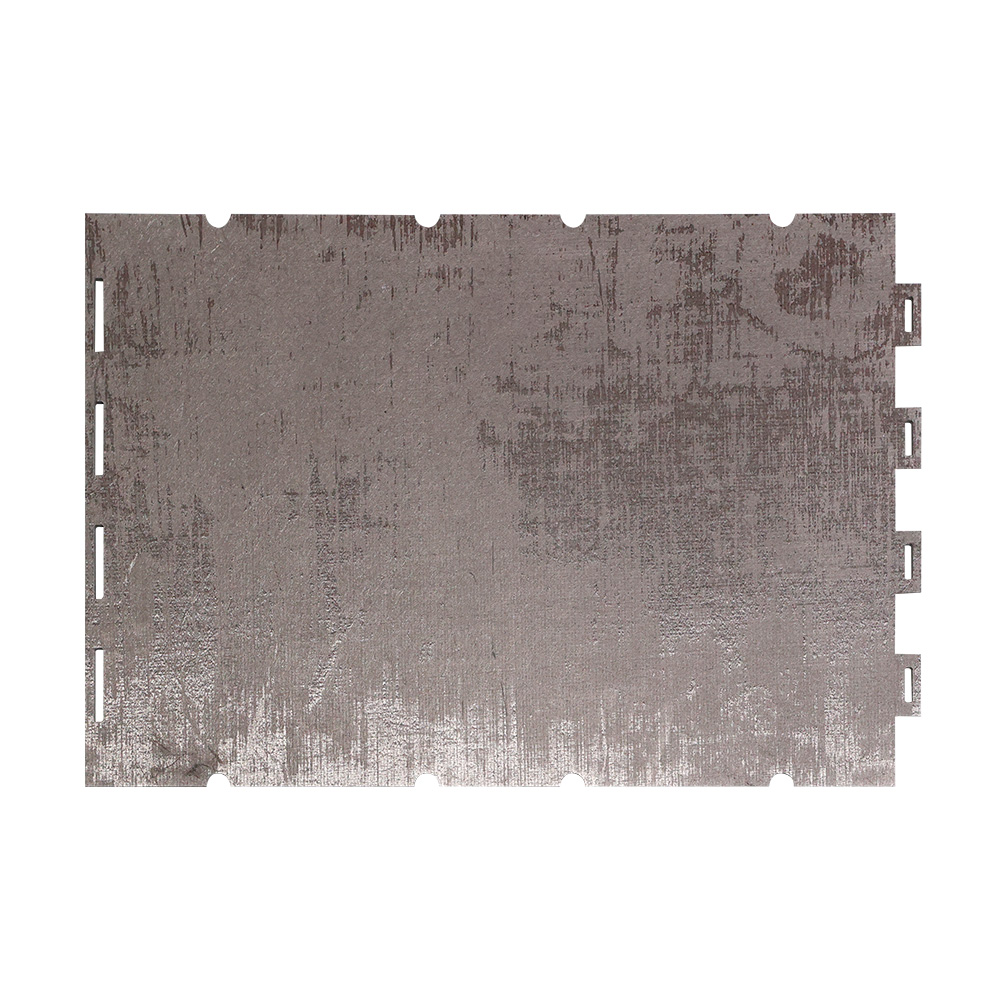
The Graphitized Carbon Plate, 2D Carbon Carbon Plate, and Long Fiber Carbon Carbon Plate are all designed to withstand the harsh thermal conditions typical of multi-crystalline processes. These plates serve as structural elements in the furnace, offering high thermal conductivity, stability, and resistance to thermal shock. The 2D Carbon Carbon Plates, in particular, are engineered for use in applications that require enhanced mechanical strength in addition to thermal performance, such as in multi-crystalline growth chambers or reactors.
These products are used across a variety of industries, including solar energy production, semiconductor manufacturing, metallurgical processes, and advanced materials science. The ability to process polycrystals efficiently and with precision is essential in these industries, making these components indispensable for optimizing furnace operations and achieving high-quality product outputs.
Zhejiang Dehong’s Polycrystal Thermal Field solutions are known for their superior material properties and exceptional performance under extreme conditions. Rigid Insulation Felt is made from advanced carbon fibers that provide superior heat retention while being resistant to thermal degradation. The felt maintains its insulating properties even after extended exposure to high temperatures, ensuring long-lasting performance and reducing the need for frequent replacements.
The Carbon Carbon Fasteners are engineered to provide superior strength and resistance to deformation. These fasteners are specifically designed to hold components securely in place during high-temperature operations, where conventional fasteners might fail due to thermal expansion or material fatigue. The Carbon Carbon Heater is highly durable, with a heating element that is both efficient and stable, providing consistent thermal output throughout the furnace’s operation.
The Graphitized Carbon Plate offers exceptional thermal conductivity, which helps to evenly distribute heat throughout the furnace. This prevents hot spots and ensures a uniform temperature environment, which is critical for achieving consistent polycrystal growth. The 2D Carbon Carbon Plates are engineered for structural integrity, offering both high mechanical strength and thermal conductivity, making them ideal for use in environments where both are required. The Long Fiber Carbon Carbon Plate is particularly useful in applications where flexibility and strength are key, offering high resistance to deformation under thermal stress.
Overall, the Polycrystal Thermal Field products are designed to provide exceptional performance in high-temperature environments, offering long-lasting durability, thermal stability, and minimal wear under the most demanding conditions.
Rigid Insulation Felt: Available in thicknesses ranging from 5 mm to 50 mm, with a temperature tolerance up to 2800°C. The insulation felt has a density of 1.2-1.6 g/cm³, providing optimal thermal resistance.
Carbon Carbon Fasteners: Available in various sizes and designs to accommodate different furnace configurations. These fasteners are designed to handle high tensile strength and thermal expansion, withstanding temperatures up to 3000°C.
Carbon Carbon Heater: Available in power outputs ranging from 5 kW to 100 kW, with a temperature rating of up to 3000°C. These heaters are designed to provide efficient, uniform heating across the entire furnace chamber.
Graphitized Carbon Plate: Thickness options range from 3 mm to 50 mm, with a high thermal conductivity of 200-300 W/m·K. The plates are designed to handle temperatures up to 2800°C.
2D Carbon Carbon Plate: Standard thickness of 5 mm to 50 mm, offering exceptional mechanical strength and thermal shock resistance, capable of withstanding temperatures up to 3000°C.
Long Fiber Carbon Carbon Plate: Thickness ranges from 5 mm to 40 mm, with excellent resistance to thermal deformation and mechanical stress. Temperature tolerance of up to 3000°C.
These products undergo strict quality control and testing, ensuring they meet the high-performance specifications required for polycrystal furnace applications.
To ensure optimal performance and longevity of the Polycrystal Thermal Field components, users should follow the manufacturer’s guidelines for installation and operation. Rigid Insulation Felt should be carefully positioned within the furnace to ensure maximum insulation. The felt should be evenly distributed and securely fastened to avoid gaps that could lead to heat loss. Carbon Carbon Fasteners must be tightened to the recommended torque specifications to ensure that all components remain securely in place during the heating cycle. It is essential to regularly inspect these fasteners for any signs of wear or deformation, especially after extended high-temperature use.
The Carbon Carbon Heater should be carefully calibrated to ensure even heat distribution across the furnace chamber. Regular maintenance includes cleaning the heater to prevent any build-up of carbon deposits, which could affect its efficiency. The Graphitized Carbon Plate, 2D Carbon Carbon Plate, and Long Fiber Carbon Carbon Plate should be installed in accordance with the specific furnace design, with attention given to their alignment within the chamber. These plates should be checked periodically for any signs of cracking or excessive wear due to thermal shock.
Routine maintenance of the furnace, including cleaning, inspection of heating elements, and checking for any signs of damage or thermal degradation, will extend the lifespan of these components and ensure reliable performance in critical applications.
The Polycrystal Thermal Field components are essential in industries that require the high-precision growth of polycrystals, such as solar energy production, semiconductor manufacturing, metallurgical processing, and materials science research. These industries rely on multi-crystalline furnaces for the production of high-purity polycrystals used in solar panels, electronic devices, and advanced materials.
In solar energy production, these components are critical in the growth of multi-crystalline silicon used in photovoltaic cells. In semiconductor manufacturing, the materials are essential for producing high-purity crystals used in the production of microchips and other electronic components. Additionally, the metallurgical industry uses these components for the production of specialty alloys and high-performance materials that require precise thermal control during the crystallization process.