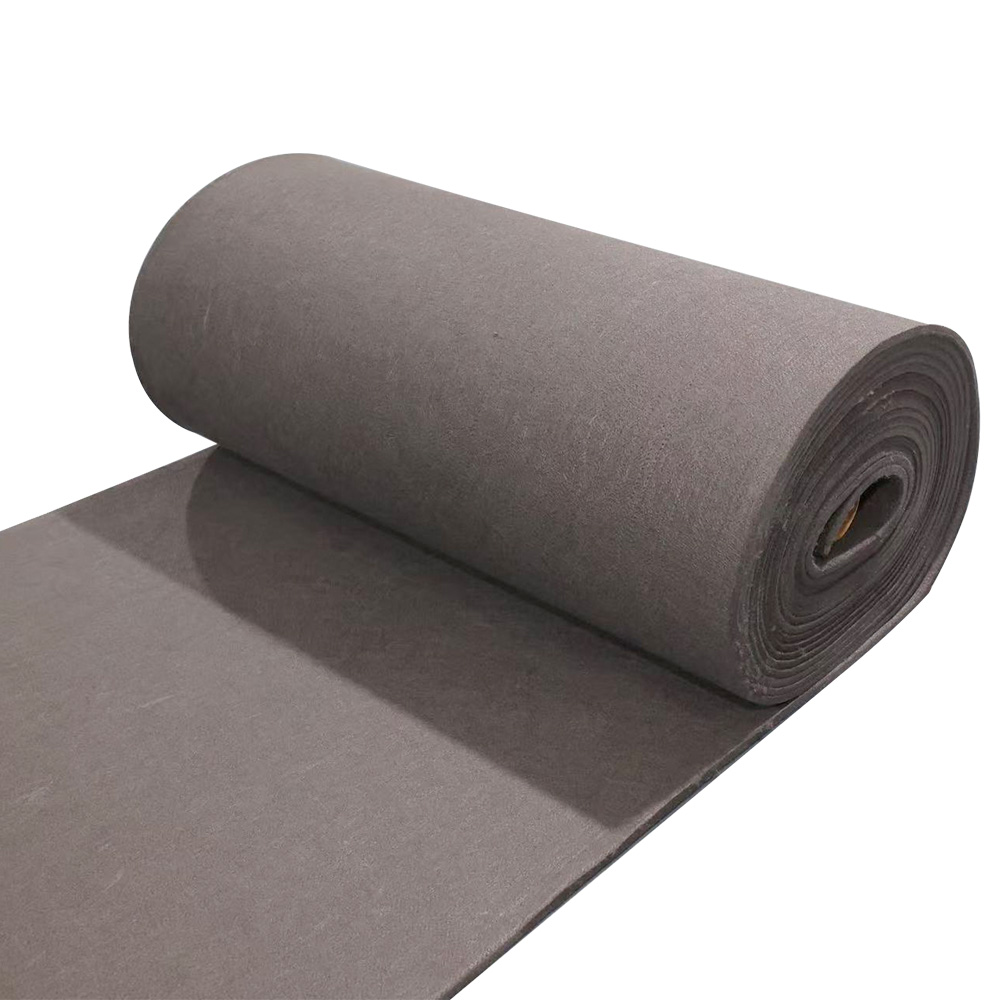
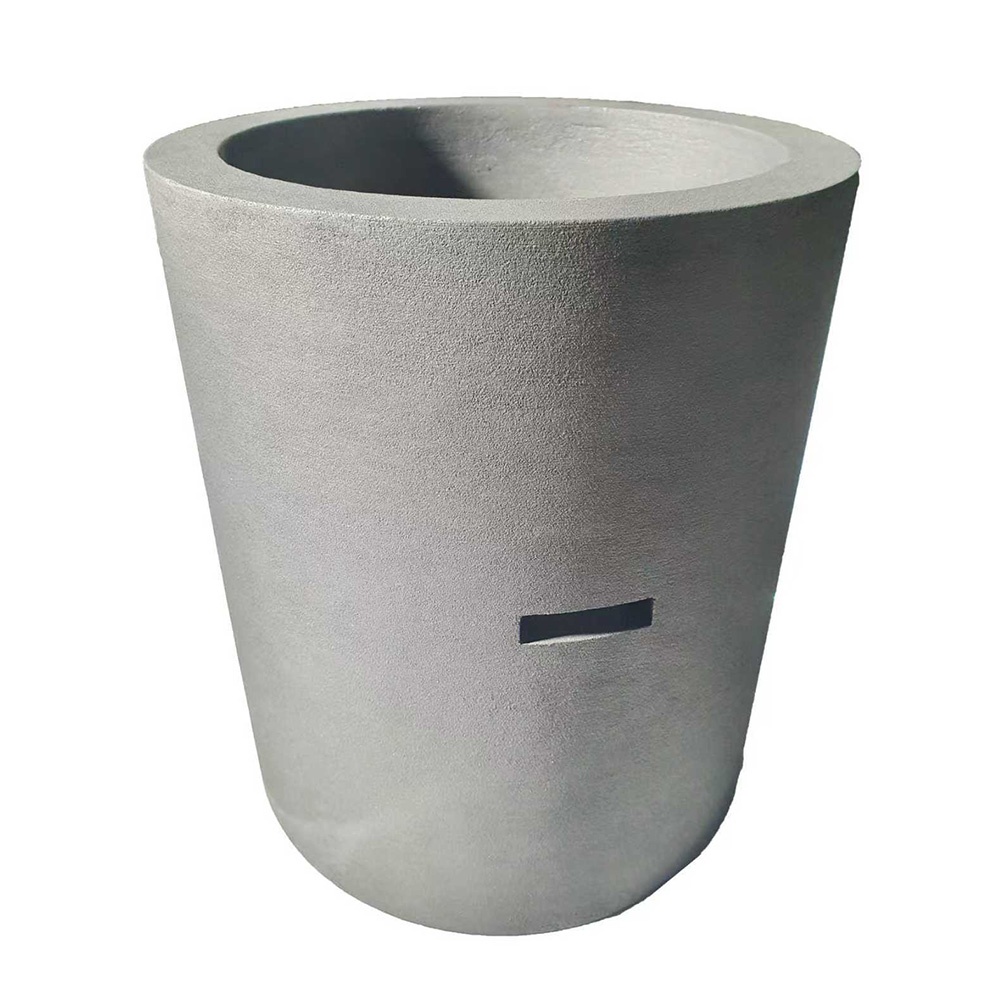
Soft Insulation Felt and Long Fiber Insulation Felt Tubes from Zhejiang Dehong Carbon Fiber Composite Materials Co., Ltd. are designed to meet the high-performance insulation needs of synthesis furnaces, which are integral to various industrial processes. These materials provide exceptional thermal insulation and help to maintain the temperature stability within synthesis furnaces, ensuring optimal efficiency during high-heat processes. The Soft Insulation Felt is primarily used for insulating components that require a softer, more flexible barrier to heat, while the Long Fiber Insulation Felt Tube is tailored for use in areas where the insulation needs to be flexible yet highly resistant to extreme temperatures. These materials are widely used in chemical synthesis, material processing, and heat treatment operations within industries like ceramics, metallurgy, and semiconductor production. Their superior insulation properties significantly reduce energy consumption by minimizing heat loss, making them an essential component for modern synthesis furnace systems.
Both the Soft Insulation Felt and Long Fiber Insulation Felt Tube are crafted using advanced carbon composite materials, designed to withstand the intense temperatures and harsh environments inside synthesis furnaces. The Soft Insulation Felt features a dense, yet lightweight structure, which allows for easy installation while offering excellent thermal resistance. It is particularly effective in applications requiring consistent, long-lasting thermal stability. The Long Fiber Insulation Felt Tube is known for its durability, high mechanical strength, and ability to maintain its insulating properties even under the extreme pressure and temperature fluctuations typical in furnace environments. These features make them highly suitable for use in a wide range of furnace applications, where both thermal and mechanical performance are crucial. Additionally, both materials have excellent resistance to wear, tear, and corrosion, contributing to their extended service life in harsh operating conditions.
When installing Soft Insulation Felt, it is important to ensure that the material is applied in a manner that prevents any gaps or exposed areas that could allow heat loss. The material can be cut to fit the specific shape of the furnace walls, providing seamless insulation for high-heat zones. For Long Fiber Insulation Felt Tubes, care should be taken to ensure that they are correctly sized for the pipes or ducts they are insulating. The tube should be tightly fitted around the components to minimize any air gaps, as air gaps can lead to thermal inefficiency. The materials are easy to handle and can be cut, shaped, and installed with standard tools, making them suitable for both new installations and retrofitting existing systems.
Semiconductor Manufacturing: Synthesis furnaces are essential for processes like crystal growth and wafer production, where maintaining precise temperatures is crucial.
Metal Processing: In metallurgy, the furnace insulation plays a key role in maintaining the high temperatures necessary for smelting and refining metals.
Ceramics: Ceramic production processes require stable and uniform heat distribution, which these insulation products facilitate.
Energy: Synthesis furnaces used in energy production and storage, such as in lithium-ion battery manufacturing, rely on these materials for efficient operation.
Zhejiang Dehong’s Soft Insulation Felt and Long Fiber Insulation Felt Tubes are engineered for industrial applications requiring both high thermal resistance and durability. Their superior properties make them indispensable in synthesis furnace environments, ensuring that temperature control and energy efficiency are maximized across various high-tech industries.
Electronics and Semiconductor Industries: Companies involved in high-precision manufacturing processes, such as semiconductor wafer production, that require high-performance thermal management.
Metals and Materials Processing: Manufacturers of steel, aluminum, and other metals who rely on high-temperature furnaces for smelting and refining processes.
Ceramics and Glass Production: Producers who require stable furnace conditions to form precise ceramic components and glass products.
Energy Production: Companies involved in energy generation or battery production, where furnace efficiency is crucial for cost-effectiveness and performance.